The scale involved makes this more than an operational hygiene topic. OICA's full-year figures show global motor vehicle production rising from 92,723,280 units in 2024 to 96,383,650 units in 2025. That growth is not evenly distributed by region, nor is it uniform by powertrain or model mix; the operational implication is that networks must flex faster than traditional annual contracting cycles.
If an OEM or tier supplier is planning capacity based on a stable average week, it will routinely be wrong at the exact moment the organization needs certainty. A practical way to frame the challenge is to stop treating logistics as a set of disconnected functions and instead as a single operating system spanning inbound logistics, plant logistics, and outbound distribution.
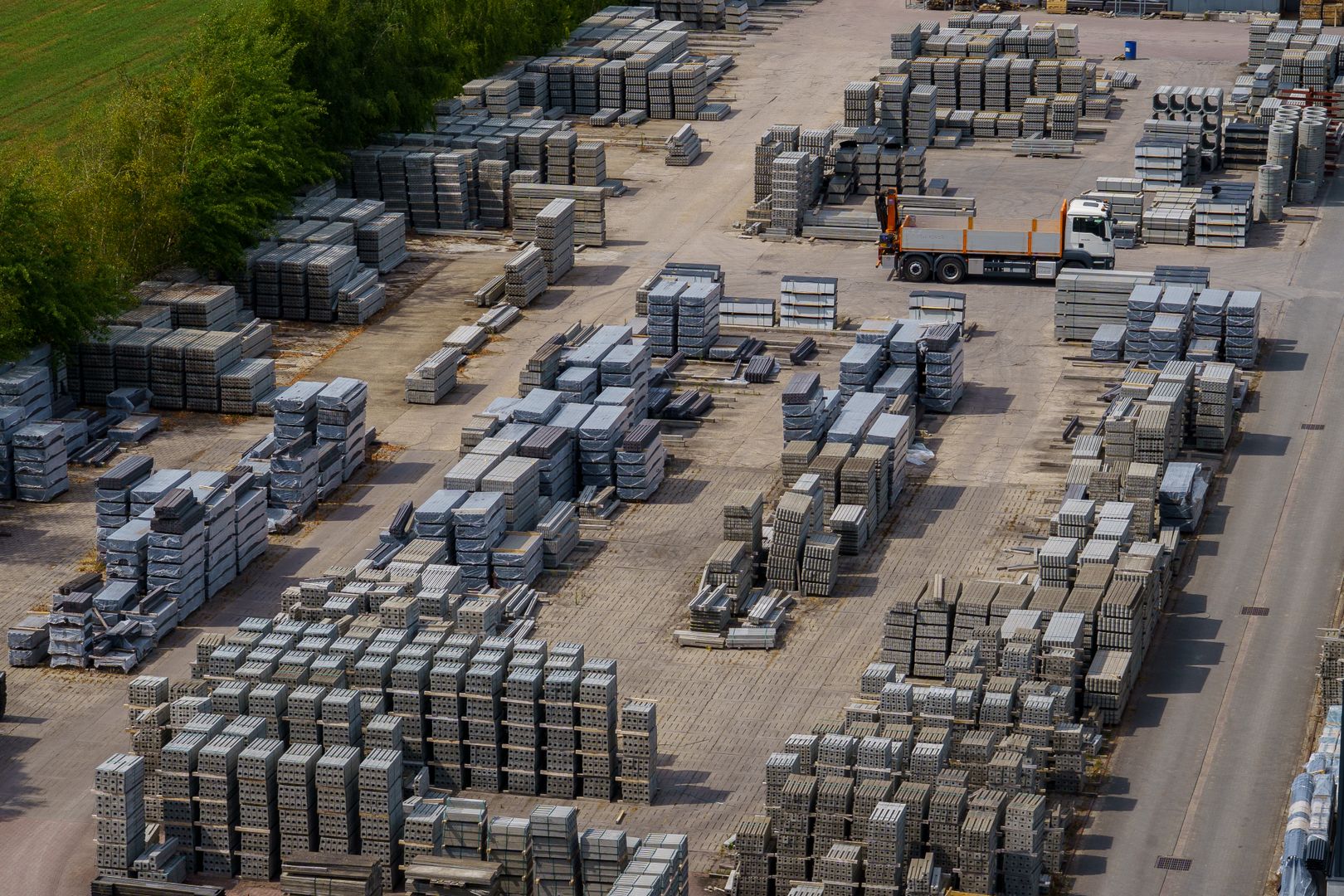
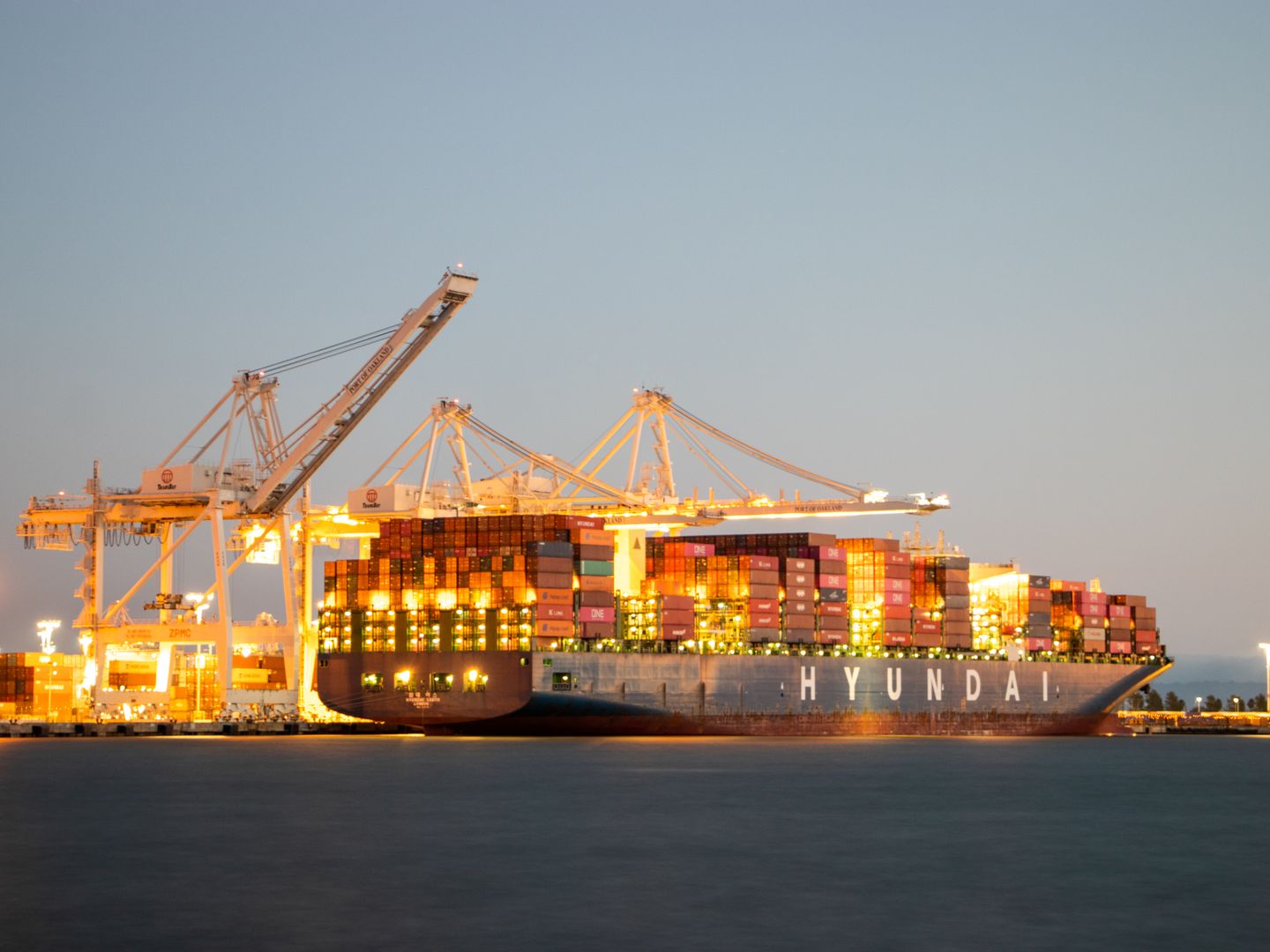
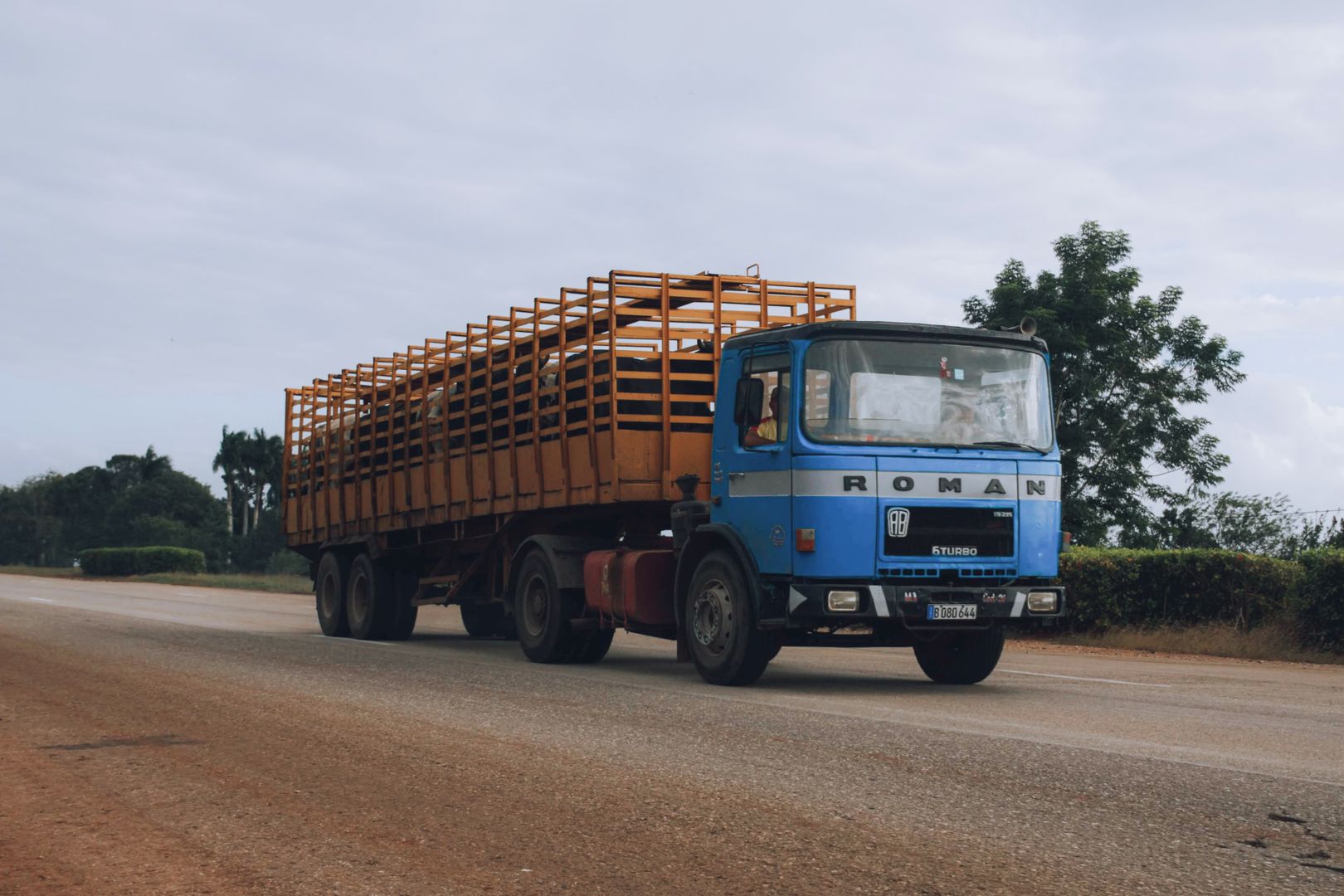
Inbound governs how materials arrive and in what sequence; plant logistics governs how those materials are stored, moved, and presented to production; outbound governs how finished units exit the gate and reach customers. When any one layer is optimized in isolation, the system often becomes more brittle. When the three are designed as an integrated flow with shared data, shared constraints, and shared decision rights, service improves while expediting and hidden inventory tend to fall.
Digitalisation, when done well, connects these layers through a consistent event model rather than a collection of dashboards. The lesson for automotive is simple: document digitalisation is no longer a nice to have for cross-border continuity; it is becoming the default direction of travel. UNECE marked the CMR Convention's reach at 58 Contracting Parties, and the Additional Protocol enabling the electronic consignment note has been in force since 2011.
The most common failure mode in digital programmes is digitizing the symptoms of waste adding tracking steps, scans, and exception emails without changing the process that produces instability. A robust strategy tends to follow a clear sequence of moves. First, diagnose the flow end-to-end using facts: where are the true constraints such as dock, labor, packaging return loops, carrier cutoffs, customs, and yard space.
Second, stabilize master data and governance: part attributes, packaging specs, routings, lead times, supplier calendars, and location hierarchies must be dependable enough that automation will not amplify errors. Third, instrument events at the right granularity: capture the minimum set of operational events that actually drive decisions such as arrival windows, gate events, unload completion, line-side replenishment triggers, and yard moves while avoiding noise that creates false precision.
Fourth, optimize decisions with analytics that respect constraints such as sequence feasibility, dock scheduling, labor smoothing, and transport mode trade-offs rather than simply forecasting delays. Fifth, automate execution where variability is low and business rules are clear, while building exception workflows for the few cases that matter. This is the practical pathway toward a logistics operating system that connects regulatory compliance, operational agility, and strategic competitiveness.
As of July 2026, companies face a clear choice: continue treating logistics as disconnected cost centers with manual coordination and late visibility, or build an integrated digital thread that enables earlier, safer decisions with fewer meetings and stronger compliance posture. The winners will be those who recognize that automotive logistics digitalisation is not about technology deployment but about creating a unified operating system that makes the true state visible and actionable before constraints force suboptimal choices.