Automotive Supply Chain Risk & Resilience
Supply chain disruption is no longer an episodic headache for automakers; it is an operating condition that shapes product strategy, compliance, and safety performance.
Decision-grade reporting on EVs, autonomy, manufacturing, and regulation—fast, but never superficial.
Think of this page as a guide for engineers, production leaders, analysts, and product strategists who need clarity before they commit resources. Deep dives that connect platform strategy, cost structure, and real-world deployment constraints—so you can separate headline momentum from operational reality.
We focus on what changes roadmaps: architectures, suppliers, software stacks, and the economics that determine scale. Technically grounded coverage of electrification and charging ecosystems, from cell and pack trends to thermal management, power electronics, and grid-facing implications—prioritizing measurable impacts like range, durability, throughput, and total system efficiency over vague claims.
Autonomy and ADAS are covered as systems, not slogans: sensing modalities, compute, data pipelines, validation, and safety cases. When standards and policy shift, we translate the implications for engineering requirements, testing strategy, and launch timing.
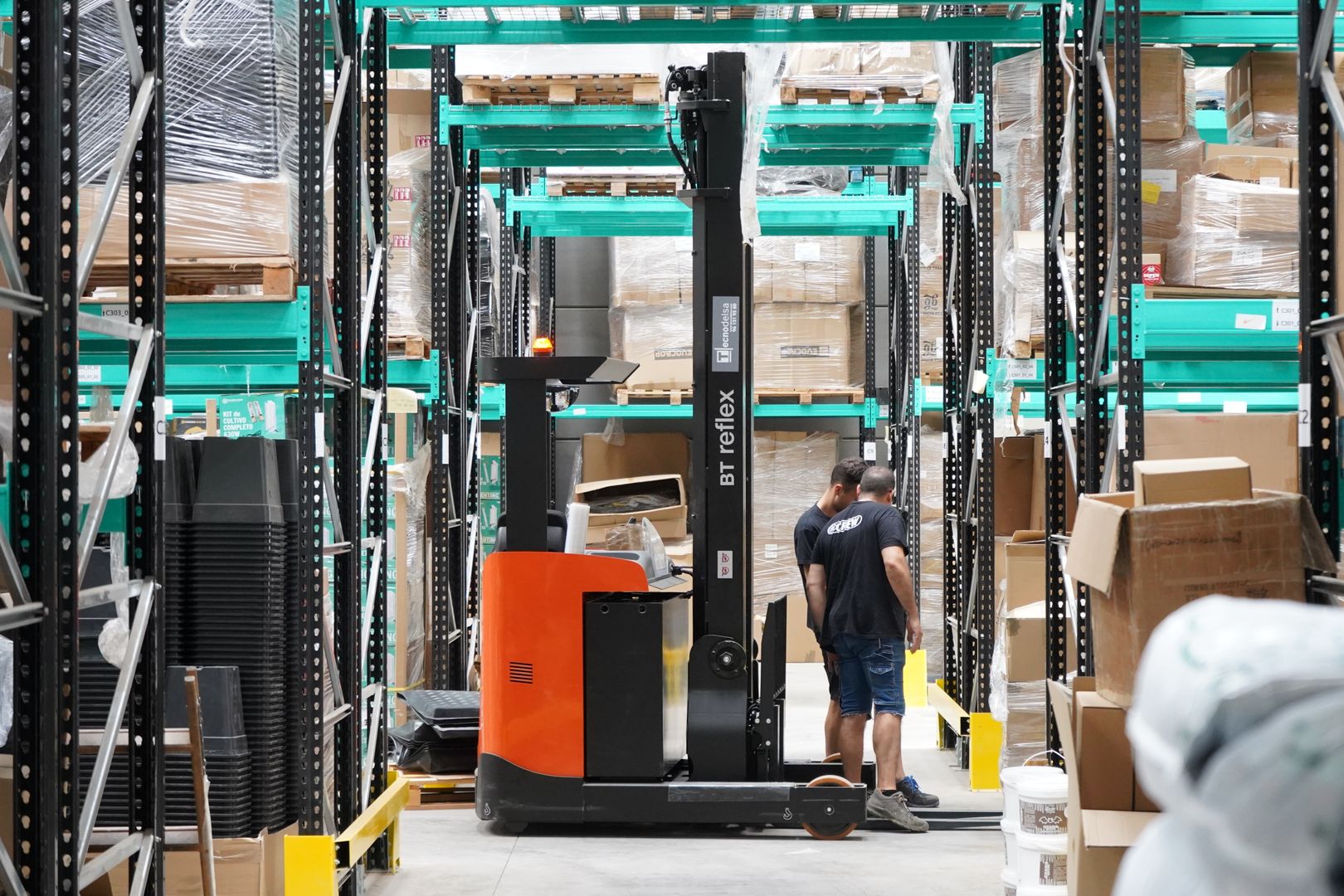
Manufacturing and supply chains are treated as competitive weapons. You'll see analysis of capacity planning, localization, materials risk, and quality scaling, plus how software-defined vehicles are changing plant processes and supplier relationships.

Built for fast scanning with an editorial layout that keeps context close to the headline. Move quickly without losing breadth.
Supply chain disruption is no longer an episodic headache for automakers; it is an operating condition that shapes product strategy, compliance, and safety performance.
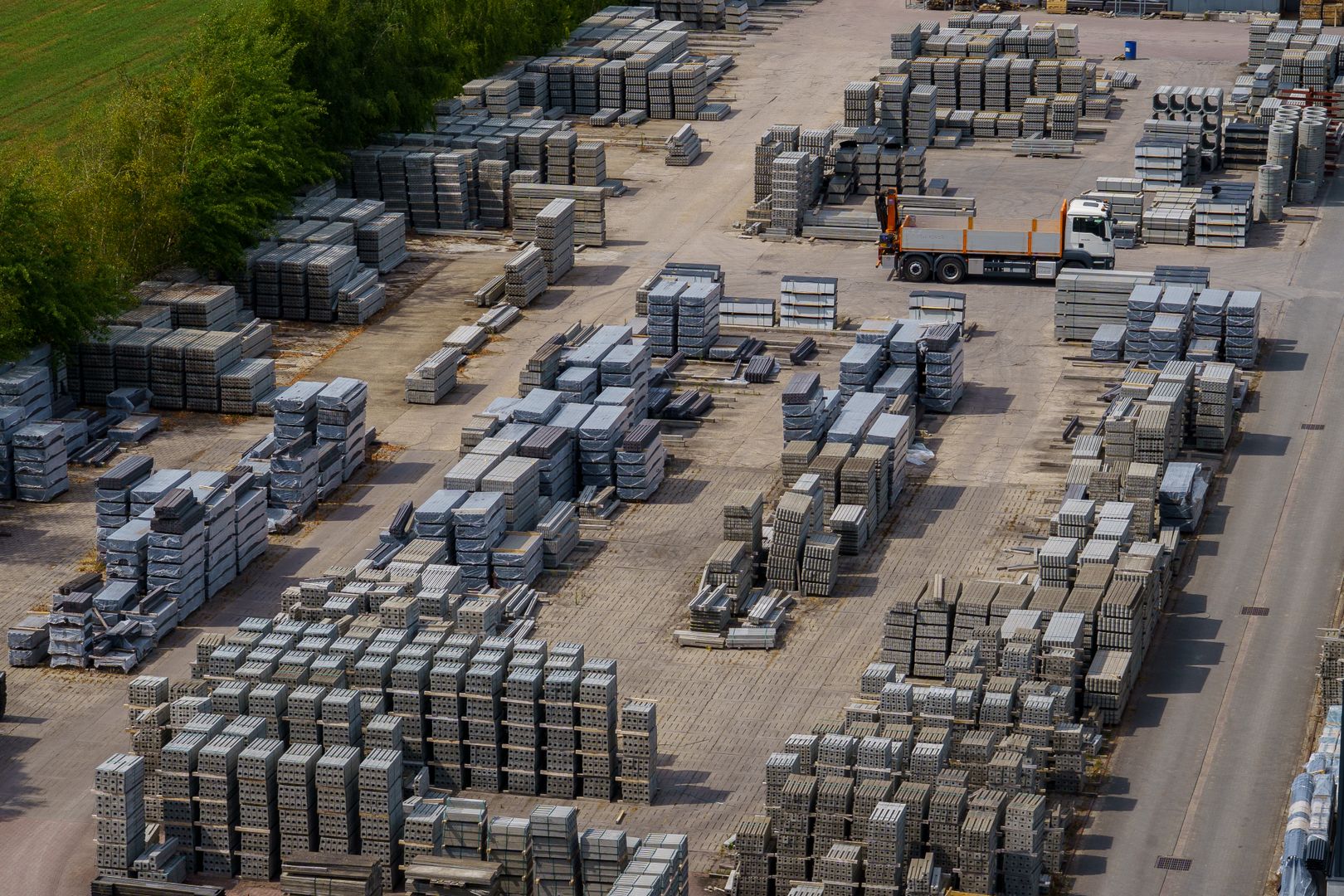
A nearshoring strategy has moved from boardroom theory to day-to-day operating reality in automotive, because the industry’s biggest bottlenecks are no longer hidden inside a single factory.
Automotive cybersecurity is no longer a specialist sidebar to connectivity; it is the enabling discipline that determines whether V2X can scale from pilots into a safety-critical, regulation-ready lay…
In automated driving and advanced driver assistance, hazard analysis is no longer a paperwork milestone—it is the engineering mechanism that defines what “safe enough” means when software makes real-t…
Functional safety has become the unglamorous gatekeeper of automotive innovation: it determines whether a new braking function, steer-by-wire controller, or automated lane change stack can plausibly b…
ADAS validation has become the defining engineering bottleneck for modern programs because the real product is no longer a single sensor or ECU—it is a perception-and-decision system exposed to messy…
Driving automation has moved from a lab milestone to a regulatory and operational reality—and safety work now lives in the unglamorous details: precise definitions, auditable evidence, and disciplined…
Software defined vehicles are no longer a futurist slogan; they are the organizing principle behind the next cost curve in automotive engineering.
The EV battery has become the automotive industry’s most consequential hardware platform: a cost center, a safety-critical system, and increasingly a regulated sustainability product in its own right.
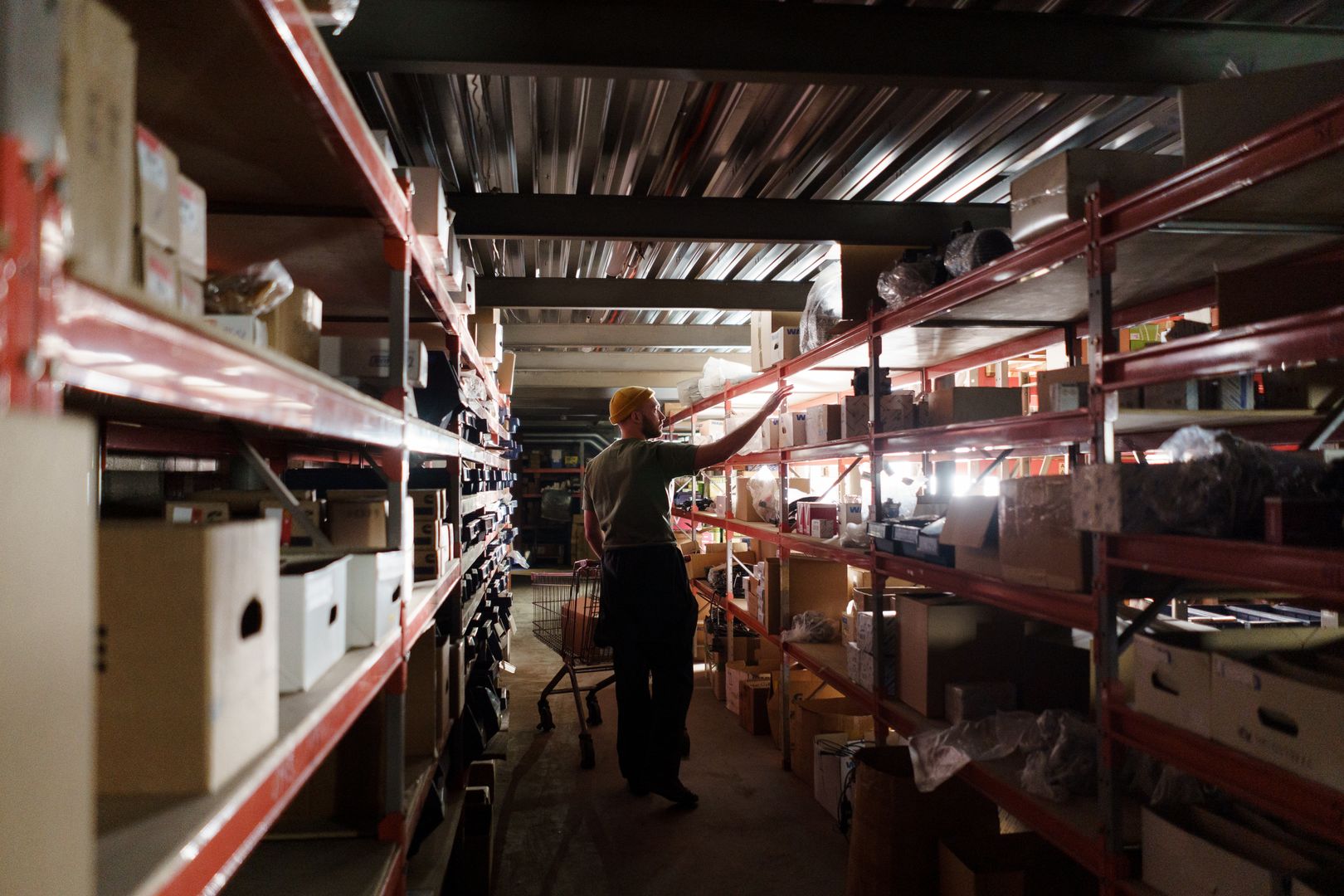
Inbound logistics has become one of the most decisive competitive battlegrounds in automotive manufacturing, not because moving parts is new, but because the margin for error has collapsed.